24th Jun 2025
Transform Your Home with a Double Storey Extension
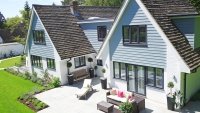
A double storey extension is one of the most effective ways to expand your home’s living space and add significant value to your property. By extending over two floors, you can increase your home’s footprint and create additional rooms that blend seamlessly with your existing layout.
Common layouts include larger bedrooms, a new master suite with an ensuite and walk-in wardrobe, or an extended open-plan kitchen and living area downstairs.
At DWG Plans, we’ve helped hundreds of homeowners across the UK design and secure planning permission for double storey extensions — whether positioned to the side, rear, or front of a property.
Do You Need Planning Permission for a Double Storey Extension?
In most cases, planning permission is required for a double storey extension in the UK. Unlike single storey extensions, Permitted Development Rights (PDRs) for two-storey builds are very limited and typically apply only in specific circumstances.
You may not need planning permission if all of the following conditions are met:
- The extension is built at the rear of the property (not at the front or side).
- It does not extend more than 3 metres beyond the original rear wall.
- It is at least 7 metres from the rear boundary.
- The overall height does not exceed the height of the existing roof.
- The roof pitch matches the original dwelling.
- There are no balconies or verandas.
- Materials match or closely resemble the existing property.
- The property is not located within a designated area, such as: A Conservation Area, Area of Outstanding Natural Beauty (AONB), A National Park or a Listed Building
In reality, most double storey extensions fall outside these strict parameters especially if:
- The extension projects more than 3 metres from the rear wall.
- It’s built within 2 metres of a boundary.
- It significantly changes the external appearance of the house.
In these cases, a full planning application will be required.
What the Council Considers in a Double Storey Extension Application
When assessing your planning application, your local planning authority will look at several key factors, including:
- Neighbouring impact: Privacy, light, and overshadowing are assessed using the 45° rule. If your extension intrudes on this line (measured from a neighbour’s nearest habitable window), it may raise objections.
- Window placement: Habitable windows should be positioned to minimise overlooking and maintain privacy between properties.
- Side extensions: Maintaining a gap between your extension and your neighbour’s home helps avoid a “terracing effect.”
- Front extensions: These are often more challenging to approve, as they can affect the street scene. The design must complement both the existing building and neighbouring properties to be considered acceptable.
Why Choose DWG Plans Sussex for Your Double Storey Extension
At DWG Plans, our experienced team can guide you through every stage of your double storey extension project — from initial design ideas to securing planning approval. We’ll help you explore creative, compliant solutions that make the most of your available space while meeting all local planning requirements.
Whether you’re extending to the rear, side, or front of your home, we’ll ensure your design is practical, stylish, and fully compliant.
Ready to transform your home with a double storey extension?
Contact DWG Plans Sussex today to discuss your project and discover how we can help you design and secure permission for your dream home extension.
Share this article